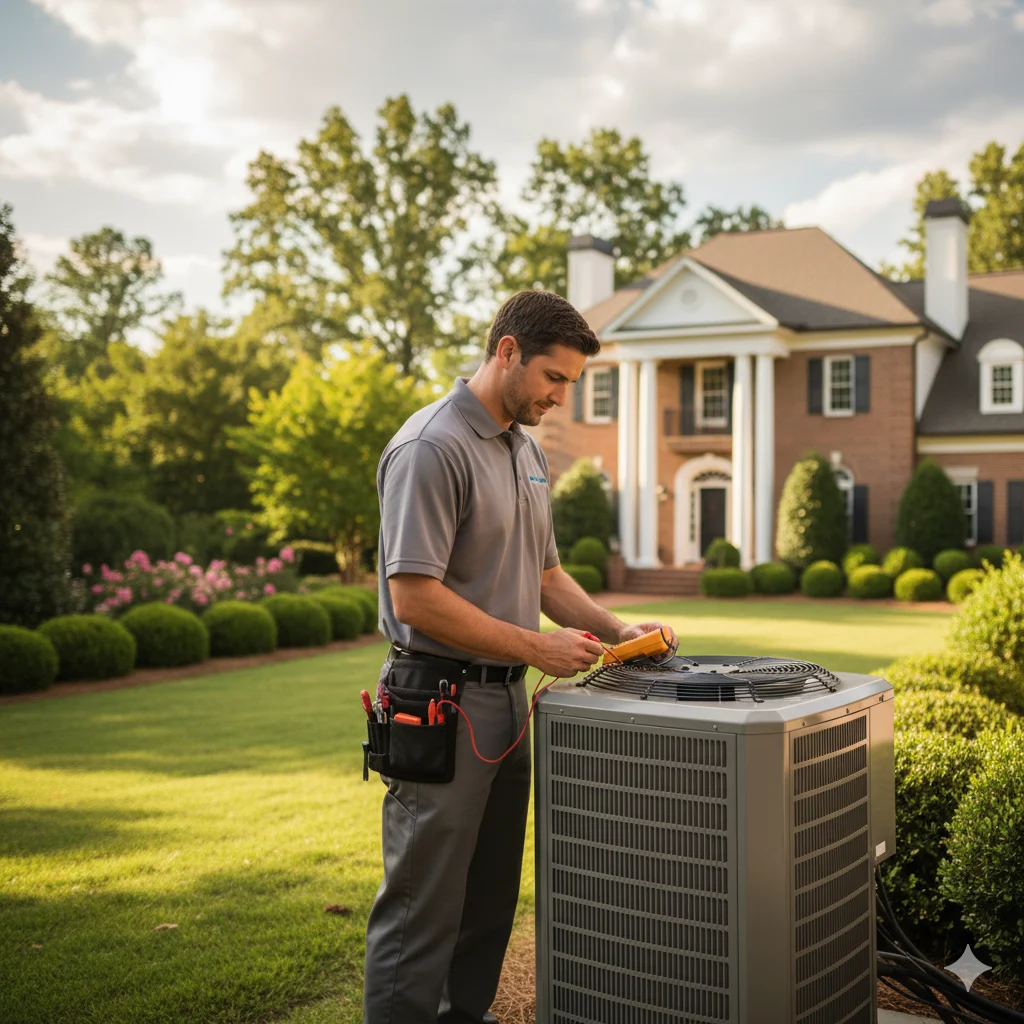
Living in Buckhead means hot, humid summers and the occasional cold snap, so reliable heating and cooling is a must. If you’re searching for Buckhead GA hvac repair, you’re in the right place for clear, no-fluff advice. For guidance on energy-efficient measures and federal programs that can help offset upgrade costs, the Department of Energy has practical resources for homeowners and businesses to review on their homepage.
Why timely HVAC repair matters in Buckhead
Keeping your system in top shape is about more than comfort. In the Atlanta area, humidity and prolonged heat put a lot of stress on HVAC systems. When a unit struggles through the hottest weeks, small problems become big, expensive breakdowns. Timely repair preserves indoor air quality, prevents costly emergency replacements, and keeps energy bills from spiking when everyone turns the thermostat down to escape the heat.
Common HVAC problems I see around Buckhead
Based on years of local experience, these are the most frequent issues residents report:
- Reduced cooling capacity during peak heat due to low refrigerant, clogged coils, or failing compressors.
- Uneven temperatures between rooms—often caused by poor air balance, dirty filters, or duct leaks.
- Strange noises or odors that indicate mechanical wear or mold growth in the system.
- Short cycling where the system turns on and off rapidly, commonly from thermostat, refrigerant, or electrical faults.
Addressing these early avoids emergency replacements and reduces the risk of indoor air issues that can aggravate allergies or asthma during spring and summer.
How to spot trouble early
Your senses are the first line of defense. A change in how the system sounds, smells, or performance-wise behaves is a red flag. Check these signs on a routine basis so you can act before a full failure:
- Higher-than-normal energy bills without increased usage.
- Rooms that never reach the set temperature even after the system runs for long periods.
- Water pooling near the indoor unit or stains on ceilings—possible drainage or coil issues.
- Persistent cycling on and off, or unusual rattles and grinding noises.
Quick fixes you can try safely
There are a few practical steps homeowners can take to improve system reliability without needing a service call. These are safe, simple, and often make a noticeable difference:
- Replace or clean filters every 1–3 months depending on usage and pets. Clean filters improve airflow and efficiency.
- Clear debris around the outdoor unit to maintain adequate airflow and prevent overheating.
- Check the thermostat batteries and settings; sometimes a misprogrammed thermostat is the culprit behind temperature swings.
- Ensure vents and return grilles are unobstructed and clean so air can circulate properly through the home.
When to call a professional
DIY helps in a few ways, but many problems require a trained technician. You should schedule a professional service when you notice any of the following:
If you notice refrigerant leaks, electrical burning smells, water leaking from the unit, or persistent short cycling, shut the system off and call for service. High-voltage electrical components and refrigerants are not homeowner DIY items and can be dangerous if mishandled.
What a local HVAC professional should provide
When you hire a pro in Buckhead, expect transparency and an estimate that explains the problem and options. A quality service visit should include:
- A full system inspection and diagnosis with clear explanation in plain language.
- A written estimate for repairs and an explanation of parts, labor, warranties, and expected lifespan after repair.
- Options for energy-efficient upgrades where appropriate, such as new thermostats, variable-speed air handlers, or high-efficiency compressors.
- Maintenance plans to prevent future breakdowns and to keep warranty requirements in force.
Trending topics in HVAC you’ll want to consider
Two trends are shaping choices for homeowners and business owners in this area: electrification and smart controls. Heat pumps are becoming far more efficient for both heating and cooling, making them a strong option for replacing aging furnaces and central AC systems. Smart thermostats and zoned systems now provide meaningful comfort improvements along with energy savings, especially in multi-story homes common to Buckhead.
Indoor air quality is another big trend, driven by concerns about allergens and smoke during nearby wildfires. Adding whole-home filtration, UV lights in the system, or dedicated ventilators can reduce particles and improve health outcomes for sensitive residents.
Local factors to consider for Buckhead homes
Buckhead’s mix of mid-century houses and newer construction means system types vary. Older ductwork can leak or be undersized, and attics in this area can become very hot, putting additional load on HVAC systems. For homes near Peachtree Road, increased traffic and urban heat islands can raise cooling needs compared with greener neighborhoods where shade reduces demand.
Keep an eye on vegetation near outdoor units because crepe myrtles and other common trees can drop leaves and seed pods that restrict airflow. Also, if you live near high-rise construction zones, extra dust can clog filters more quickly than usual.
Seasonal maintenance checklist for homeowners
Scheduling seasonal checks reduces the likelihood of emergency repairs. Here’s a short maintenance checklist you can follow to keep the system efficient through the year:
- Spring: Clean or replace filters, inspect condensate drain, and test cooling performance before peak use.
- Fall: Test heating function, tighten electrical connections, and check pilot/ignition systems if you have a gas furnace.
- Year-round: Keep registers clear, trim plants around outdoor units, and monitor energy use for unexplained spikes.
Understanding repair vs. replace decisions
Deciding whether to repair or replace involves age, repair frequency, and estimated efficiency gains. A rough guideline I use is the 50% rule: if the repair costs more than half the price of a new system and the current equipment is older than 10–15 years, replacement is often the smarter long-term move. New systems are usually much more efficient and can lead to real monthly savings, especially when paired with a programmable thermostat and proper duct sealing.
Also consider available rebates and financing. Many energy programs and utility incentives can reduce upfront costs for high-efficiency equipment, which shortens the payback period on a replacement.
Costs and what to expect on your bill
Repair costs vary by issue—filter and simple electrical fixes are inexpensive, while compressor or coil replacements are pricier. Replacing an entire system has a wide range based on capacity, efficiency rating, and labor requirements. When you get an estimate, ask for a breakdown of parts vs. labor and whether the technician includes a performance test after the work is done. That final step proves the system operates as promised and can reveal improper airflow or refrigerant charge issues that affect efficiency.
How smart upgrades pay off
Smart thermostats, zone controls, and high-efficiency equipment offer savings and comfort improvements that pay off over time. Here’s what to expect in real-world terms: better temperature consistency, fewer hot or cold rooms, and lower energy bills when the system is sized and installed correctly. If you’re planning a renovation or adding insulation and windows, coordinate HVAC upgrades to maximize the impact—combined building envelope improvements and HVAC efficiency upgrades give the best return.
Practical next steps to take right now
If you’re reading this because your system is acting up or you want to plan for an upgrade, start with these action steps:
- Schedule a seasonal inspection before summer or winter to identify problems early and lock in faster service.
- Document unusual behavior—note times, sounds, and performance so the technician can diagnose more quickly.
- Consider an energy audit if your bills seem high; an audit can uncover duct leaks, insulation gaps, and other savings opportunities.
- Ask your technician about efficiency upgrades, heat pump options, and available rebates to make better long-term decisions.
Final thoughts
HVAC repair and upgrades should be straightforward, rooted in data and clear tradeoffs. In Buckhead, an approach that balances immediate repairs with longer-term efficiency choices will keep your home comfortable and your energy costs under control. Stay proactive with maintenance, take advantage of smart controls, and don’t hesitate to call a trained technician when things feel off—early action saves money and stress.
If you’re ready to schedule service, get a second opinion, or learn which upgrades make sense for your home, contact HHMEC for trusted local HVAC support in Buckhead and the surrounding neighborhoods.